What Black Women Built
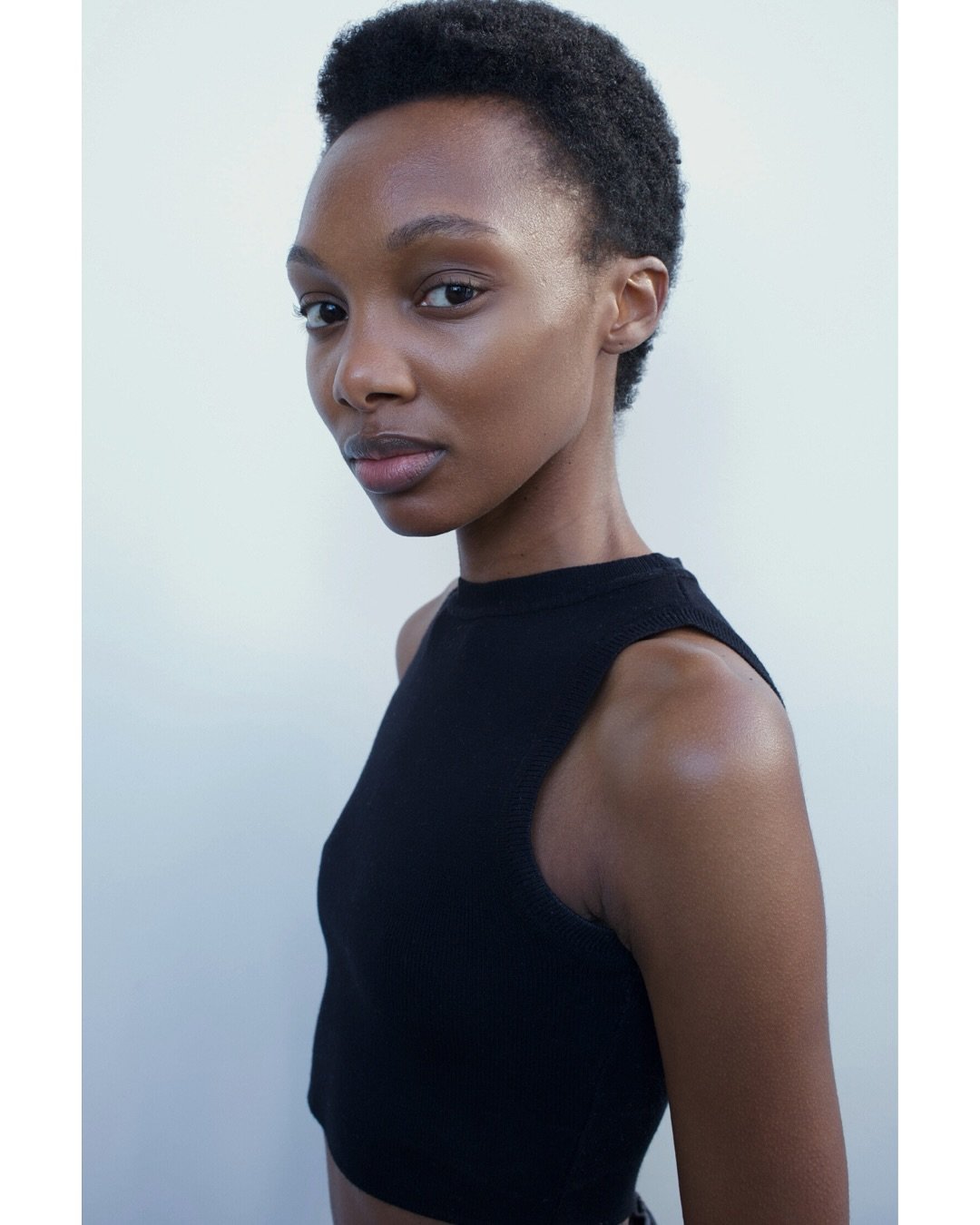
There is a particular kind of knowledge that doesn't live in books. It lives in the way a woman carries herself into a room, shoulders back, unhurried, certain. It lives in the specific oil on the bathroom shelf, the phrase spoken over you before you left the house, the standard held for you before you were old enough to hold it for yourself. It is passed down without ceremony, received before you have language for it, and spent a lifetime being understood.
Innovation Is Untangling Black Hair Care’s Biggest Problem
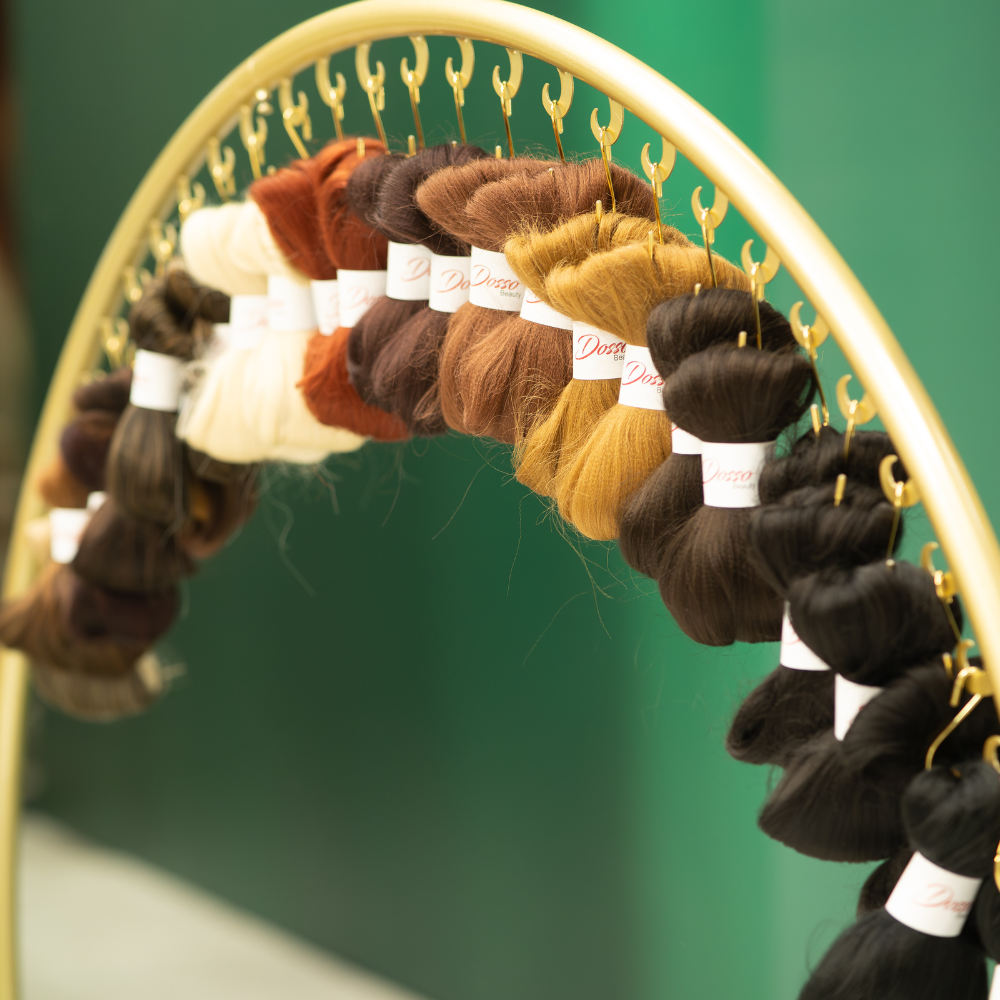
For Black hair care, innovation means disrupting the status quo. From the silk presses of the 1990s to the resurgence of crochet styles that defined the 2010s, Black hair trends have always evolved.

Beauty on the Block: The Sun Care Edit
If you use actives or you're working to fade and prevent post-inflammatory hyperpigmentation, sunscreen isn't a suggestion.
The market is crowded, so we did the narrowing for you, focusing on formulas that actually work on melanated skin.
Building What Comes Next
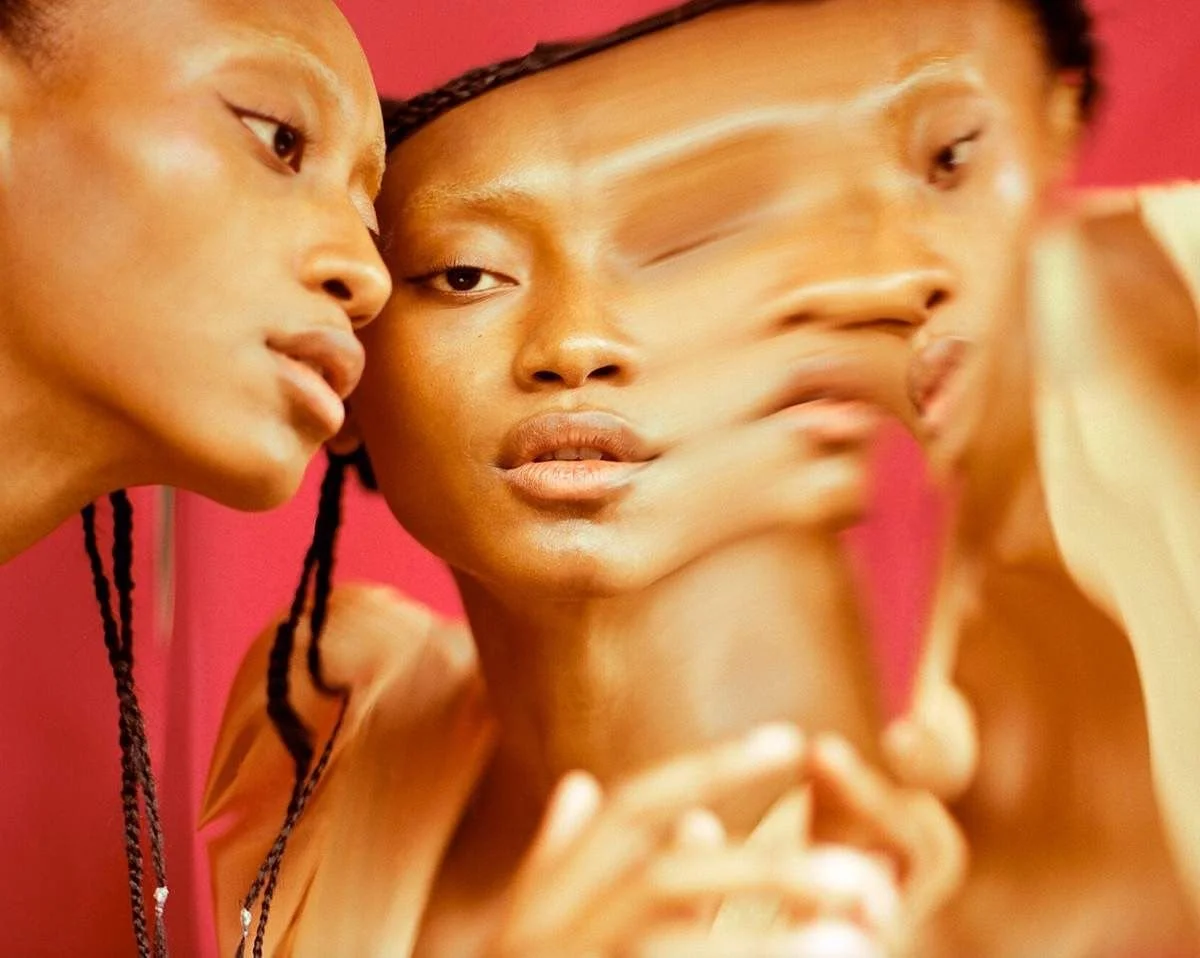
The Black Beauty Club exists to expand how Black beauty is seen, understood, and valued, and to turn that cultural influence into lasting creative, commercial, and institutional power.
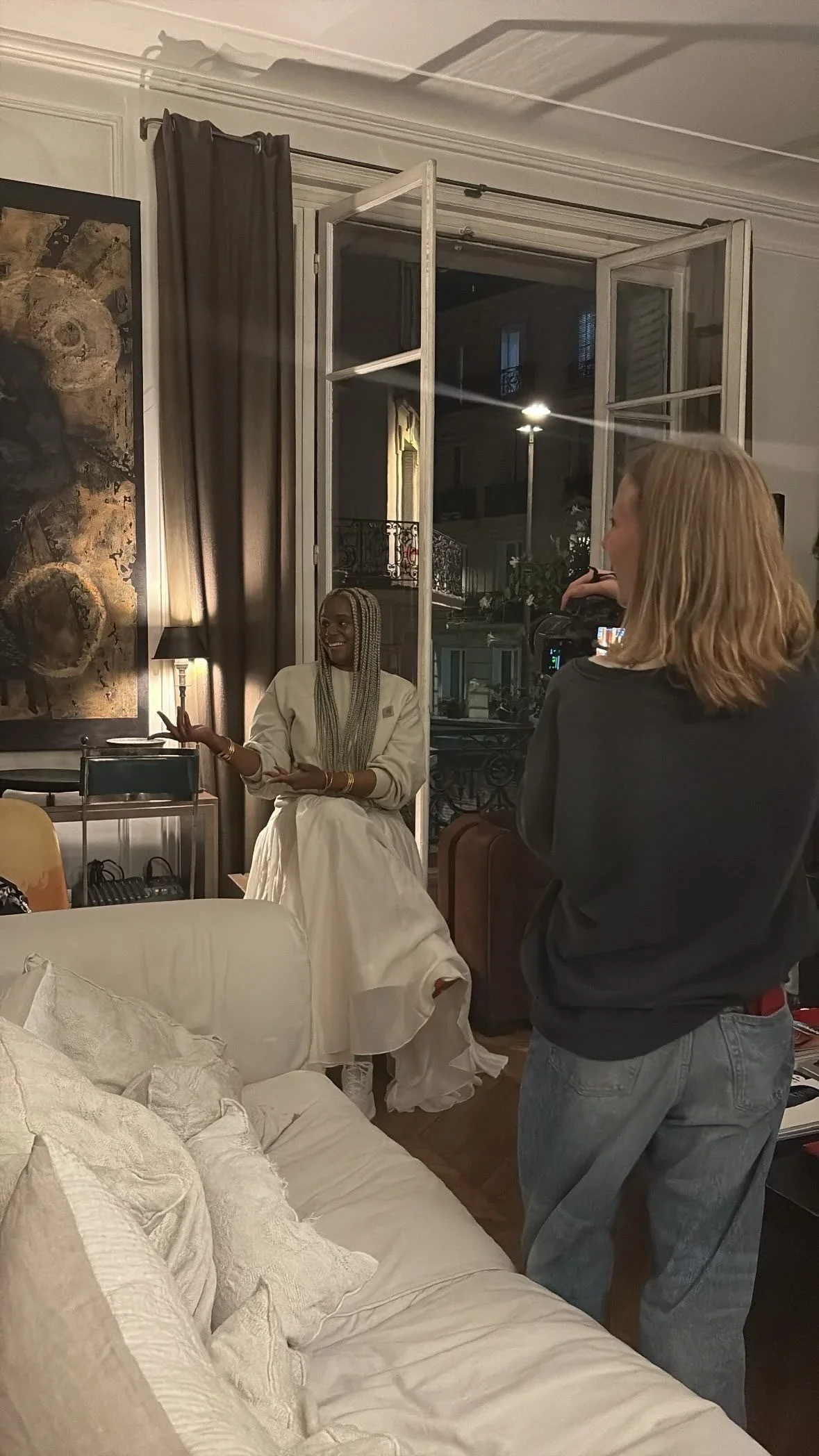
“Five Years In: 2025 in Reflection”
As we close out 2025, I’ve been reflecting on everything The Black Beauty Club built this year. But I can’t think about 2025 without remembering where we ended 2024, when I fully took the reins of my company. Going into year five, it became clear that the small team of champions that had been carrying this vision needed to vest, and that we could no longer be held back or afford the luxury of thinking small.
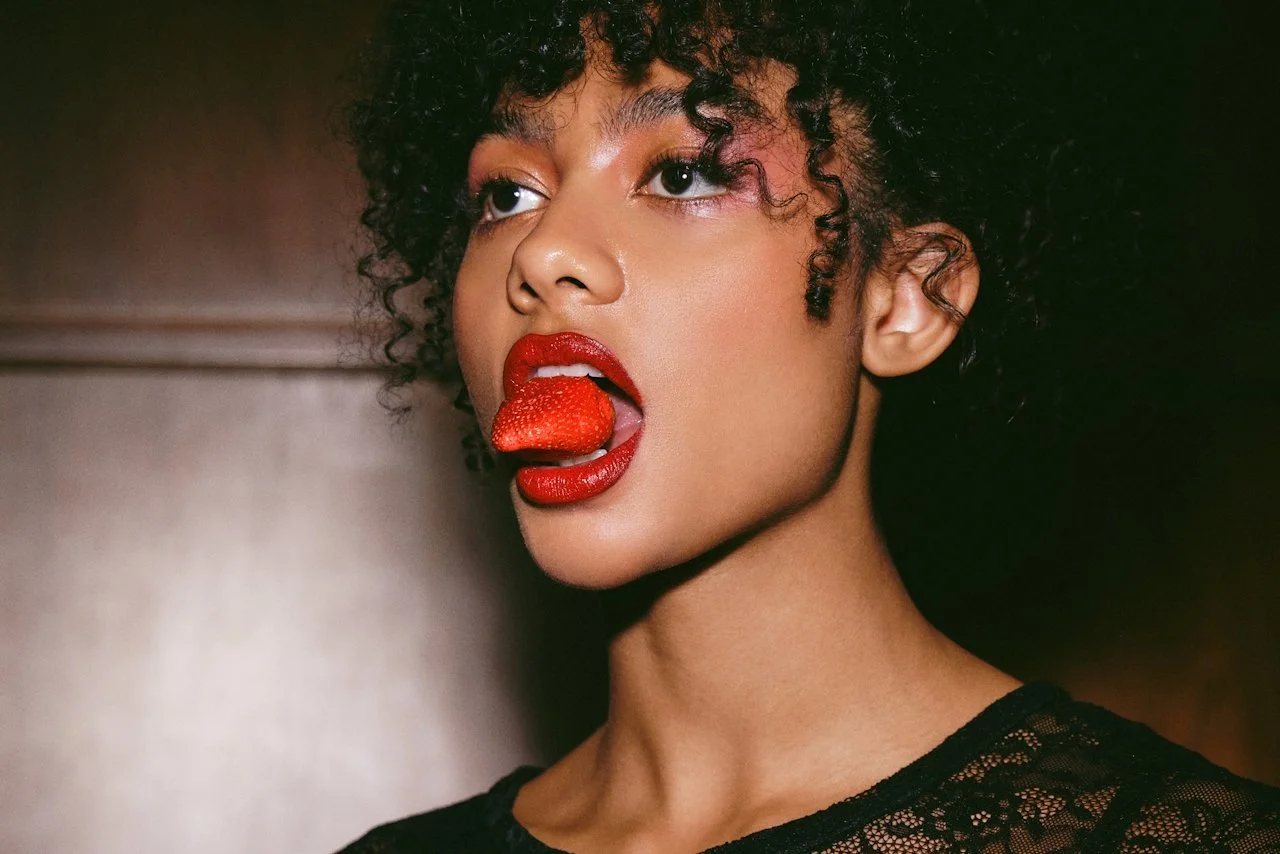
Last Week in Beauty #1
Last week’s beauty cycle was really about who we trust—retailers, labels, and voices. Lawsuits are testing “clean/conscious” promises; a holiday ad showed how fast sentiment can swing; and ingredient-rating apps are shaping carts even when the science is… nuanced.
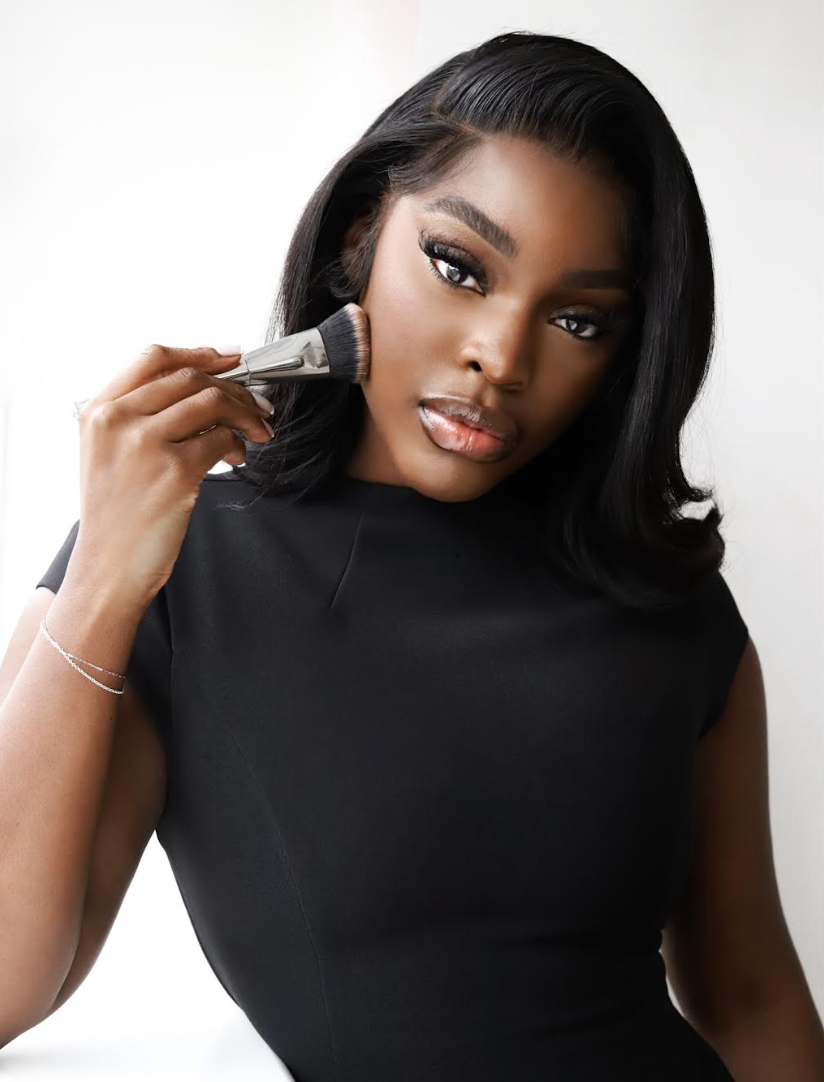
On Beauty With, Bernicia Boateng
Beauty, to celebrity makeup artist Bernicia Boateng, is practiced self-trust, rooted in ritual, alive with creativity, and carried with integrity. Grounded in Ghanaian ingenuity and her mother’s unapologetic example, Bernicia treats beauty as a living practice: skin first, intentional self-care, and grace when life bends the rules. Most importantly, beauty is how you make people feel.
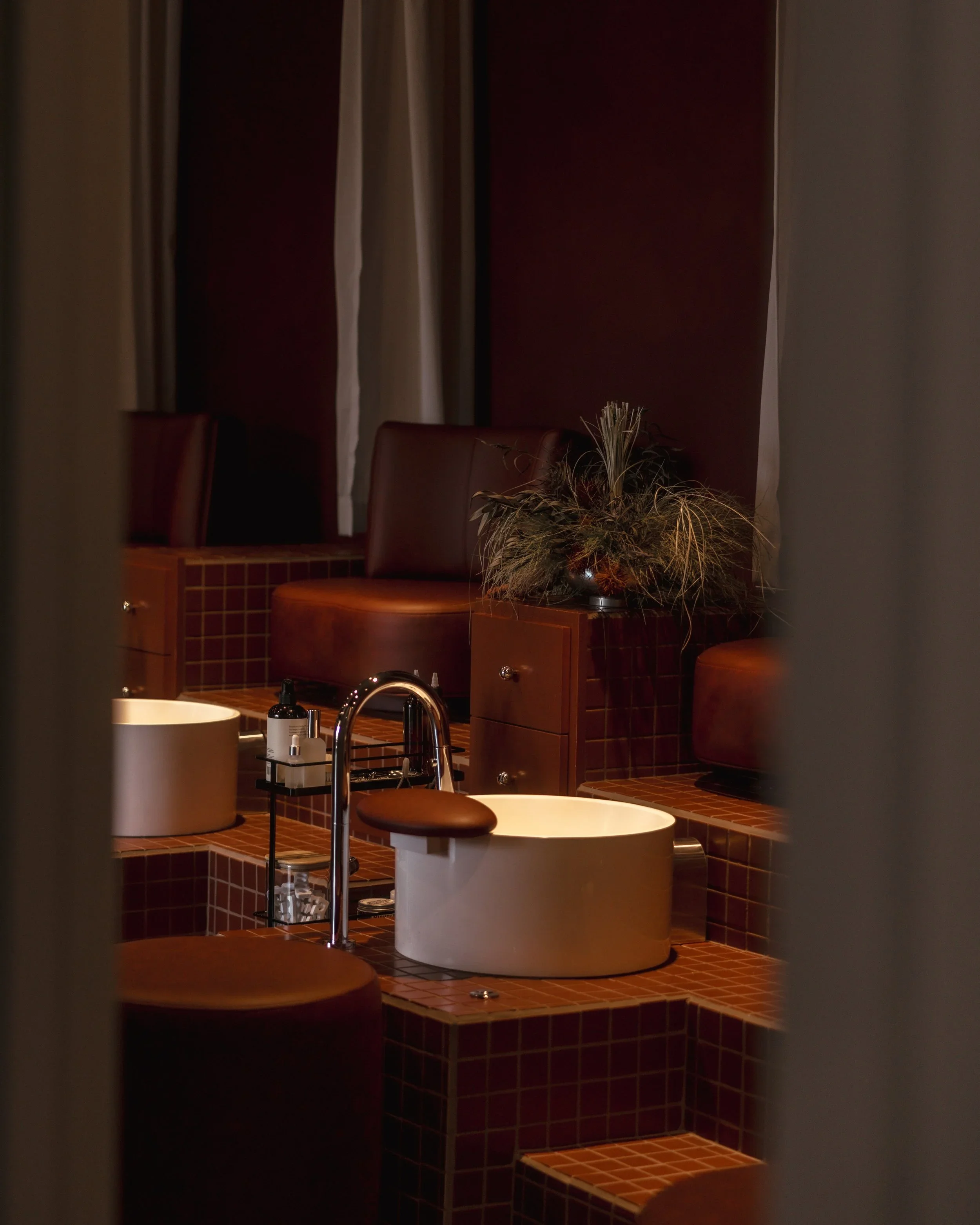
Where Beauty Lives: Inside Cure Nailhouse
Cure Nailhouse offers a return to intention. Founded in Detroit by Cyndia Robinson and opened in July 2025, the studio treats beauty as architecture with rooms paced like ritual, built to preserve craft, culture, and community.
On Beauty With, Atiya Walcot
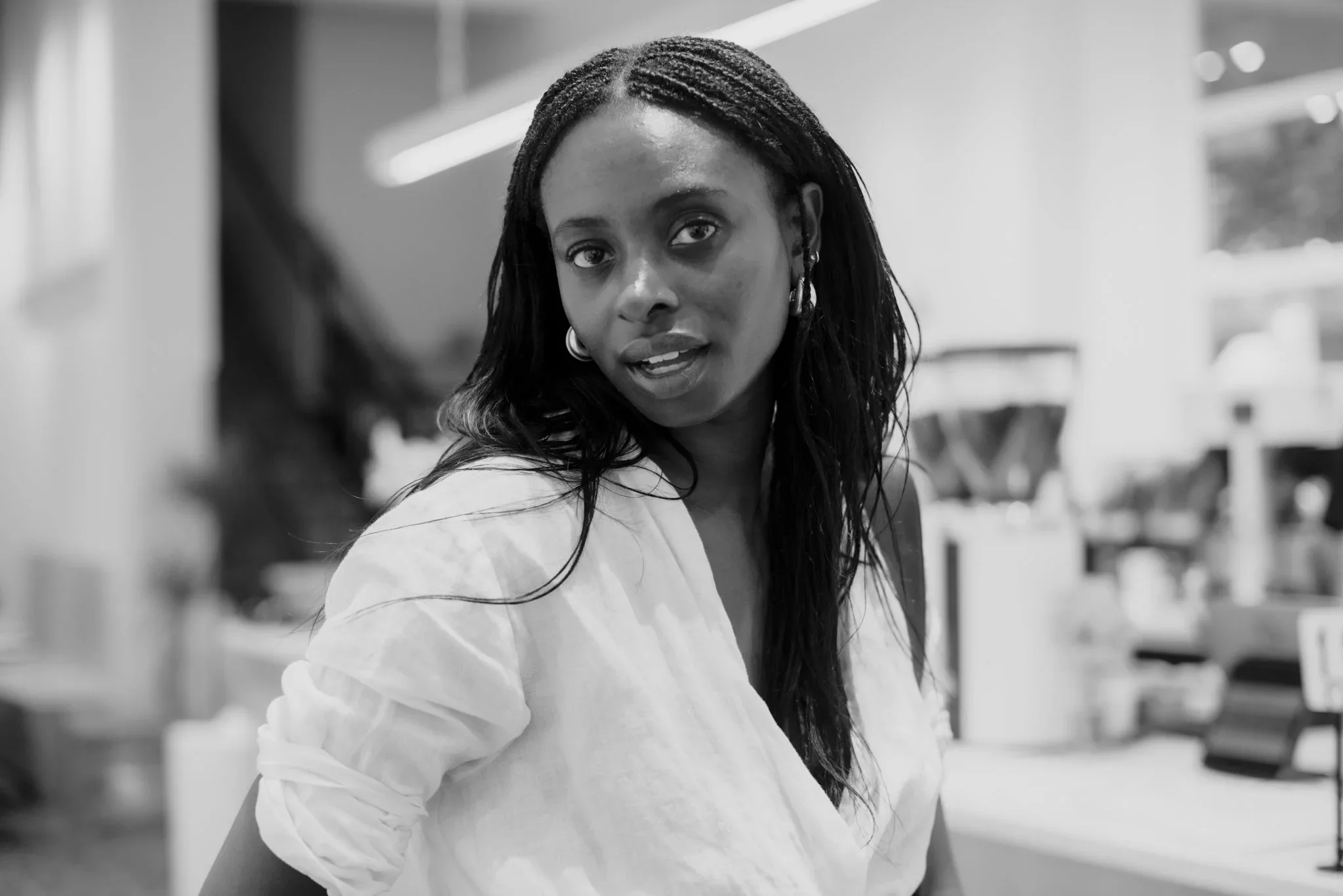
Atiya Walcott’s beauty philosophy is as fluid as it is grounded: moisture as ritual, bare skin as freedom, and natural hair as revelation. On stage, in the mirror, and even in the streets of New York, she finds beauty in what is lived-in and true.
Black Beauty Is Freedom: The London Report
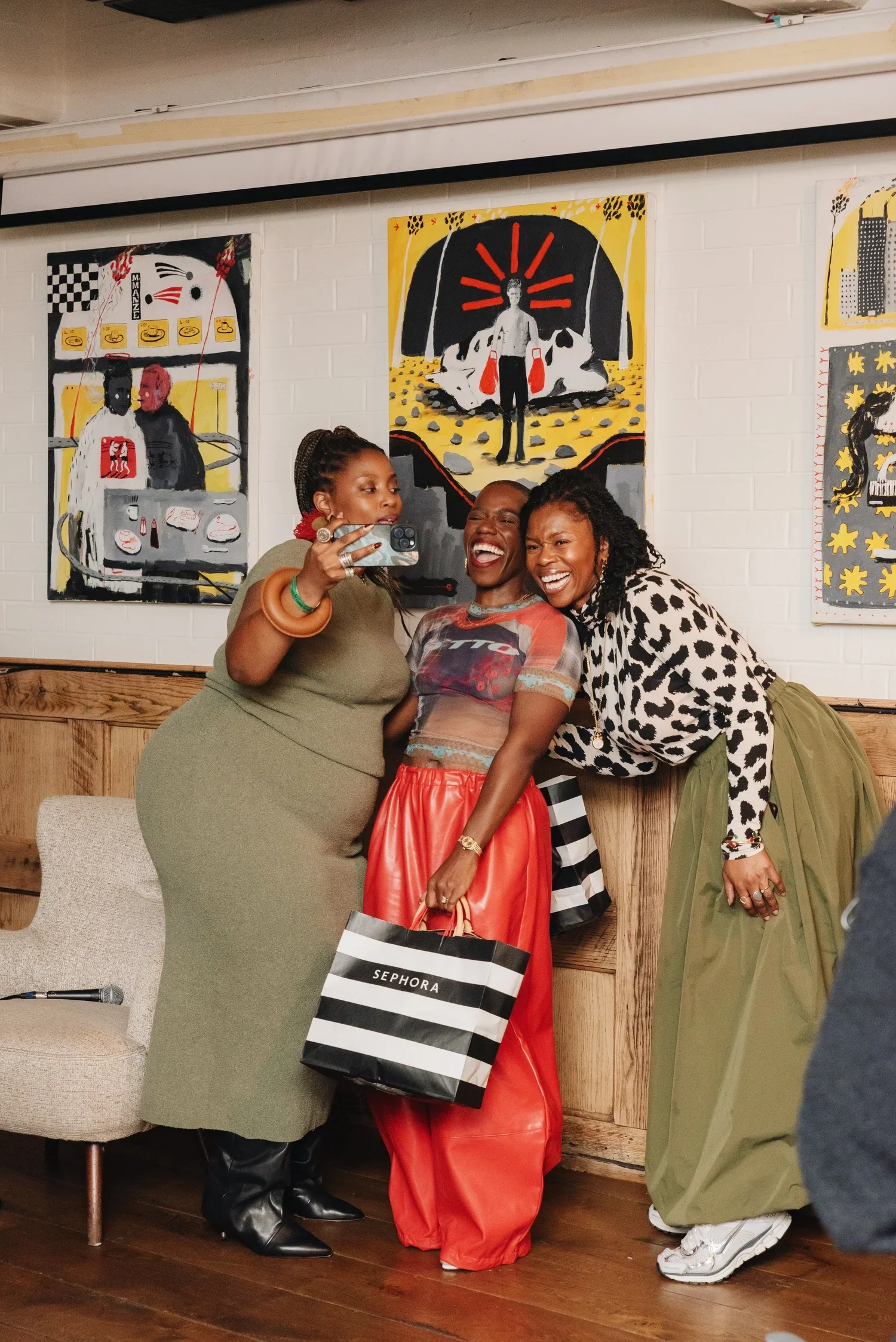
The Black Beauty Club returned to London to celebrate UK Black History Month with our community—one headline across them all: Black Beauty as Cultural Power.
On Beauty, With - Yara Shahidi
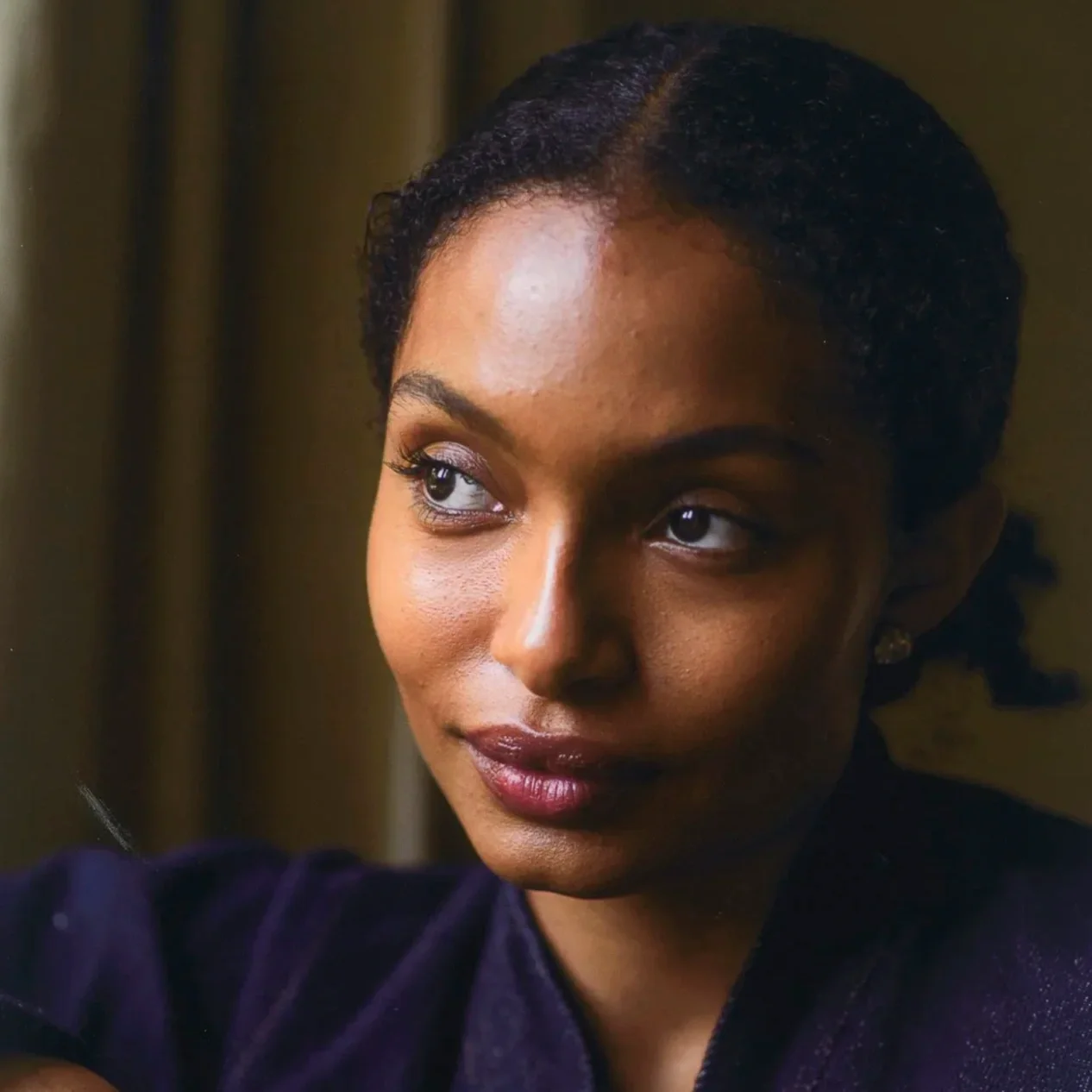
For Yara Shahidi, beauty is less about rules and routines but more about clarity, care, and the freedom to simply be herself. Yara Shahidi has grown up in the spotlight, navigating both Hollywood and beauty culture with a rare mix of curiosity and intention. In this candid conversation, she shares how her approach to beauty has shifted—from experimenting with every ointment under the sun to learning the power of restraint, from stressing over body hair to embracing what makes her unique. For Yara, beauty isn’t about perfection; it’s about tending to her health, listening to her community, and finding clarity in who she is, inside and out.
Jalen Green Kills It on the Court, in Calvin Klein, and Yes—In Chrome Nails Too
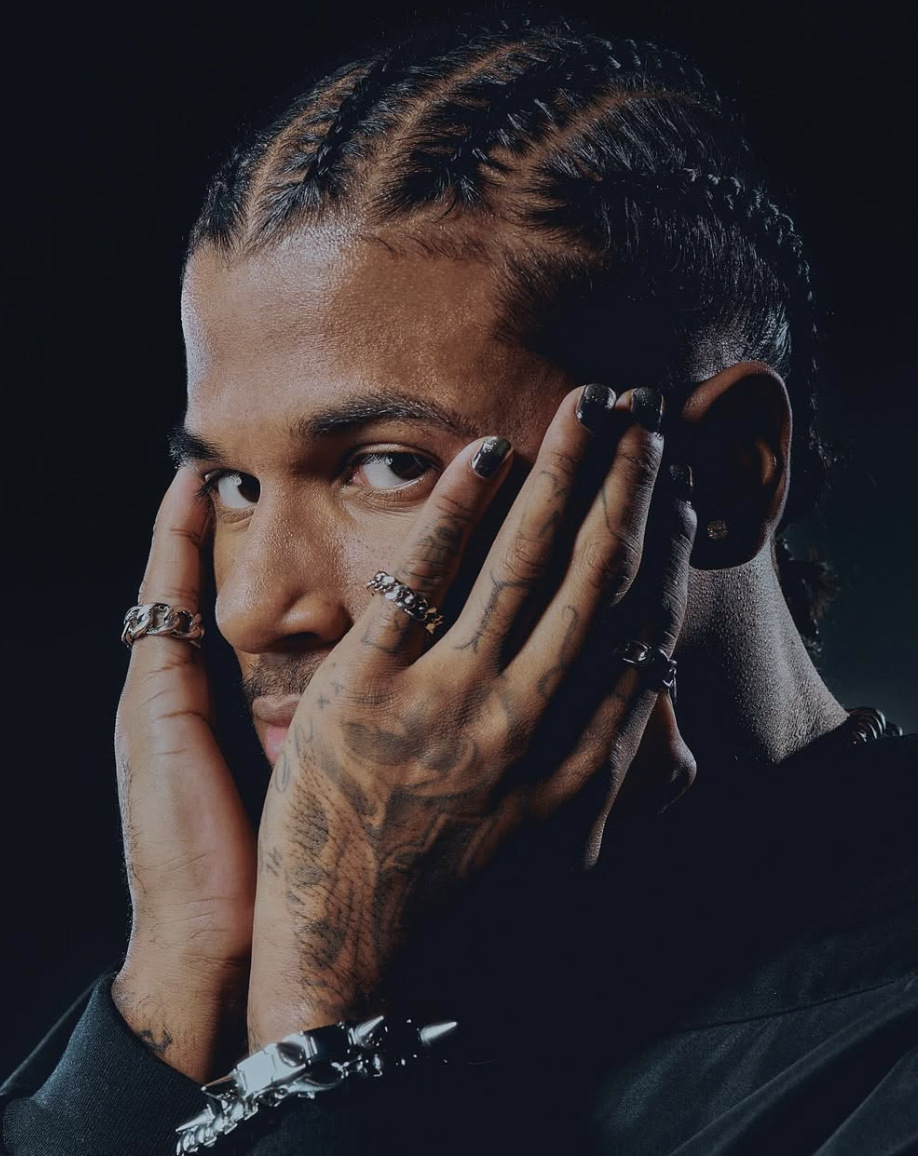
The truth is, every time a Black man paints his nails, it rattles the cage of a society that still believes “real men” don’t do decoration. But those rules? They weren’t ours. They were handed down, imposed, and policed. Our ancestors were already painting, staining, and flexing long before colonization told us what masculinity “should” look like.
Trending: Why Longevity Is the Next Big Wellness Move
Longevity is trending because money, measurement, and media finally linked up. Investors poured billions into aging science, Bezos-backed Altos Labs launched with a reported $3B war chest; Retro Biosciences (backed by Sam Altman) is now raising $1B to add ~10 healthy years. That same mentality jumped into our nightstands: smart rings went mainstream, Oura has sold 2.5M+ rings, and Samsung Galaxy Ring made “how ready are you today?” a daily score you actually check.
Trending: Clean Grunge
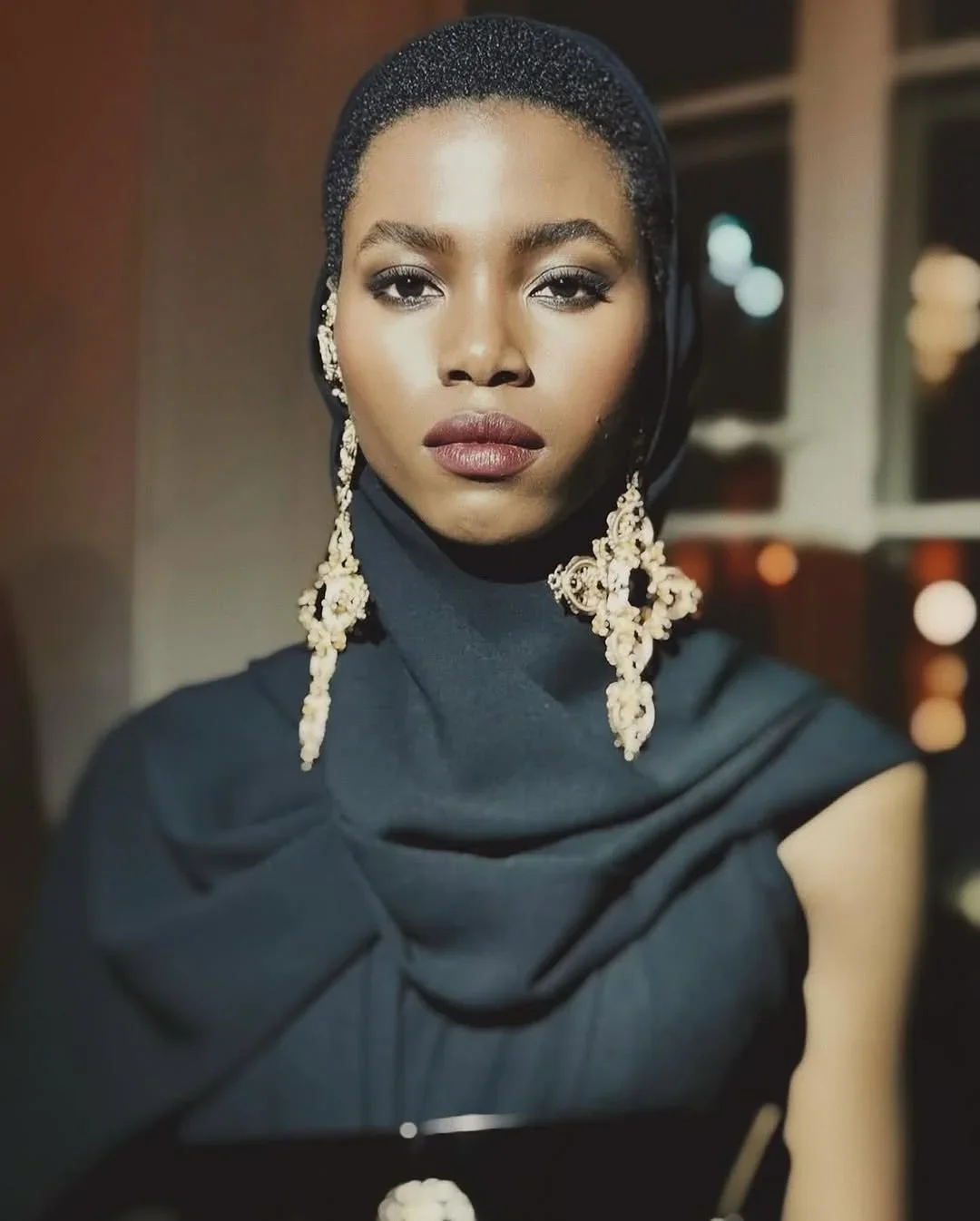
You’ll see it from the pitch room to the afters, waterlines tightlined, a soft blur hugging the lower lashes, lashes pulled into tidy spikes, and a near-black cherry lip that looks rich without swallowing the face.
Cardi B: Beauty as Evidence, Beauty as Weapon
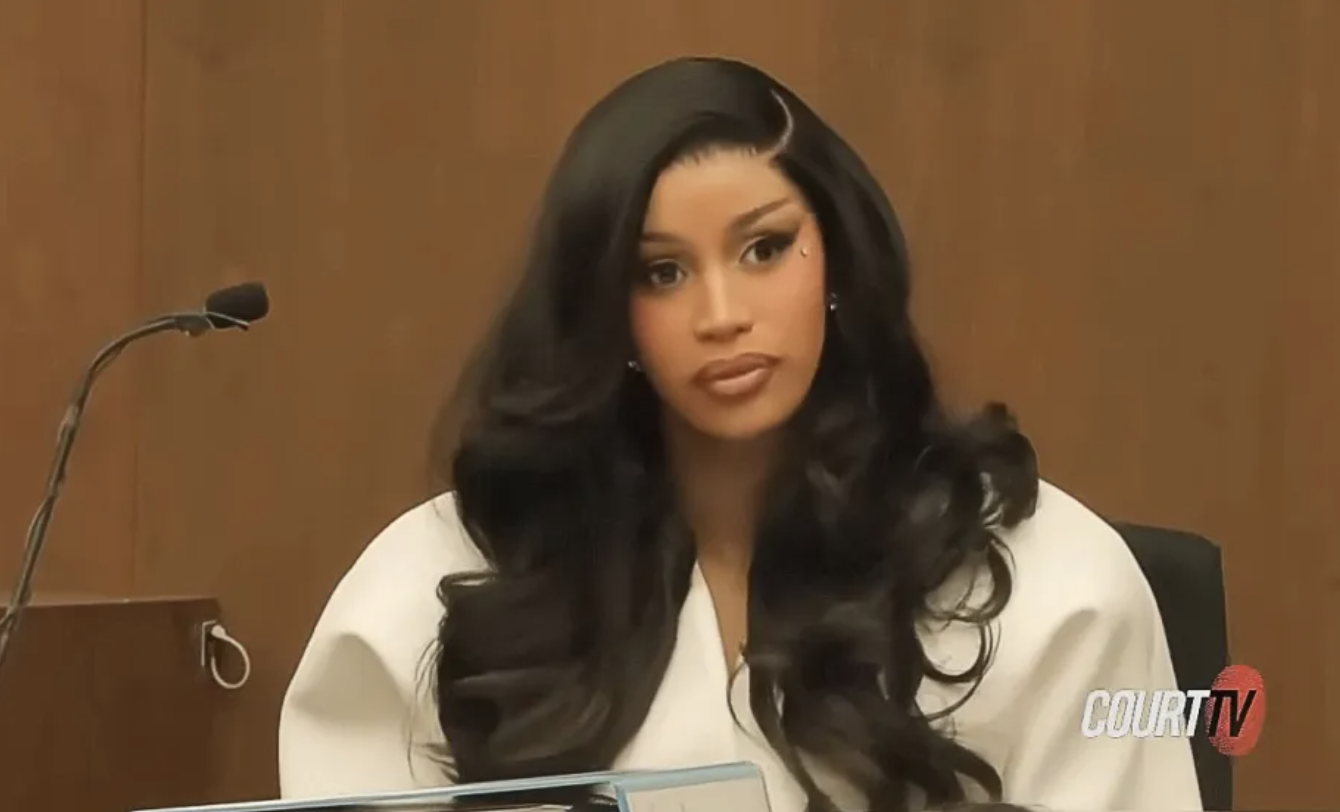
The plaintiff’s lawyer tried to use Cardi’s nails as proof of assault, her wigs as symbols of duplicity. This is the same logic that has long sought to transform adornment into liability. The underlying logic is as old as patriarchy: if a woman adorns herself, she is frivolous; if she maintains herself, she is vain; if she asserts herself, she is aggressive. For Black women, each layer is sharpened. Nails become claws. Wigs become masks. Tone becomes “sass.” It’s misogynoir in real time, where beauty itself is turned into evidence and weaponized against credibility.
Outside > Algorithm: Where the Beauty Community Actually Lives
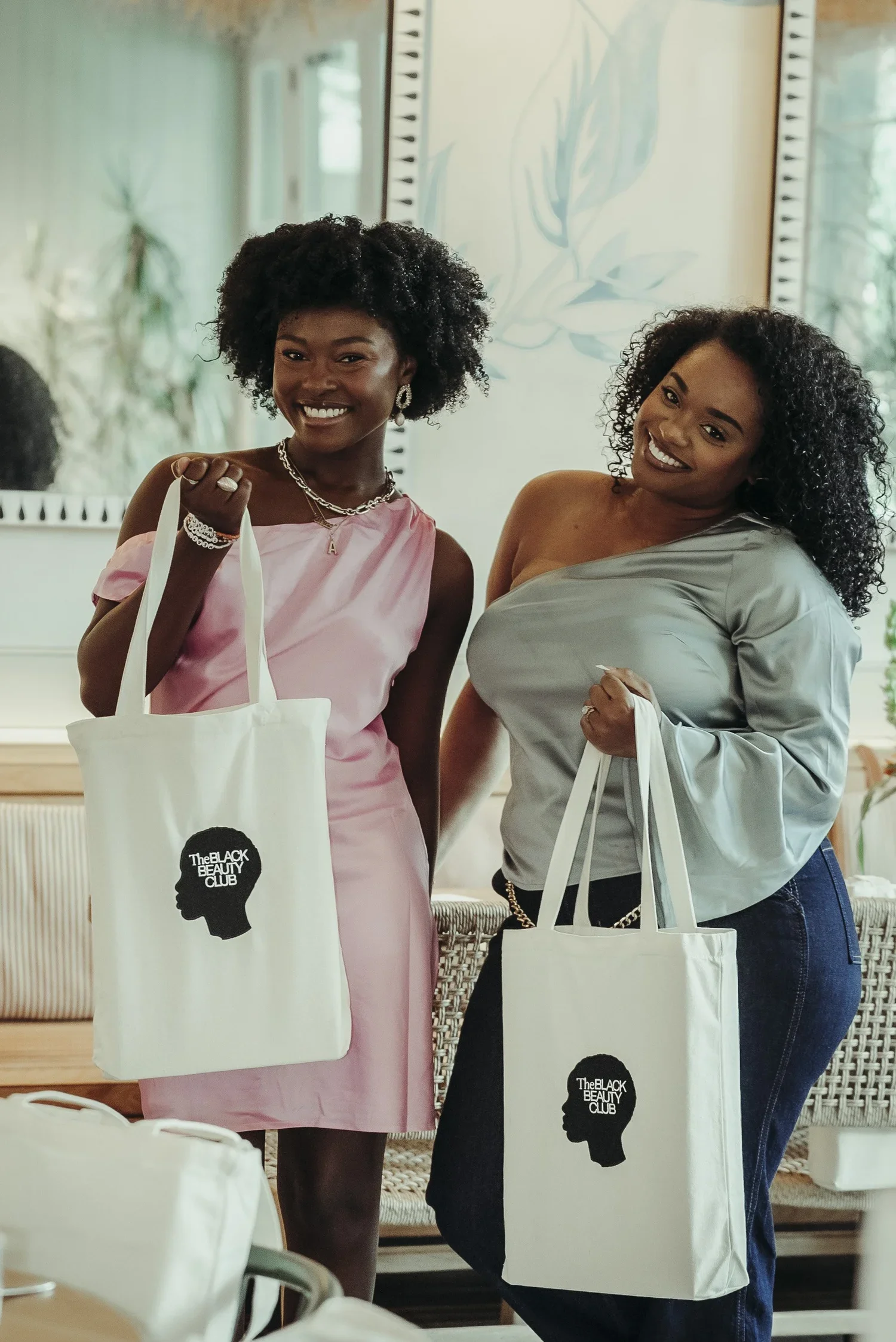
We took The Black Beauty Club on the road! Three cities, Chicago, D.C., Atlanta, packed rooms, 30+ creators, and nearly a hundred guests at every stop. IRL is the engine; online is the loudspeaker. The room makes the love, the feed carries the echo.
Slow and Steady: Juvia’s Place vs. Everyone Else
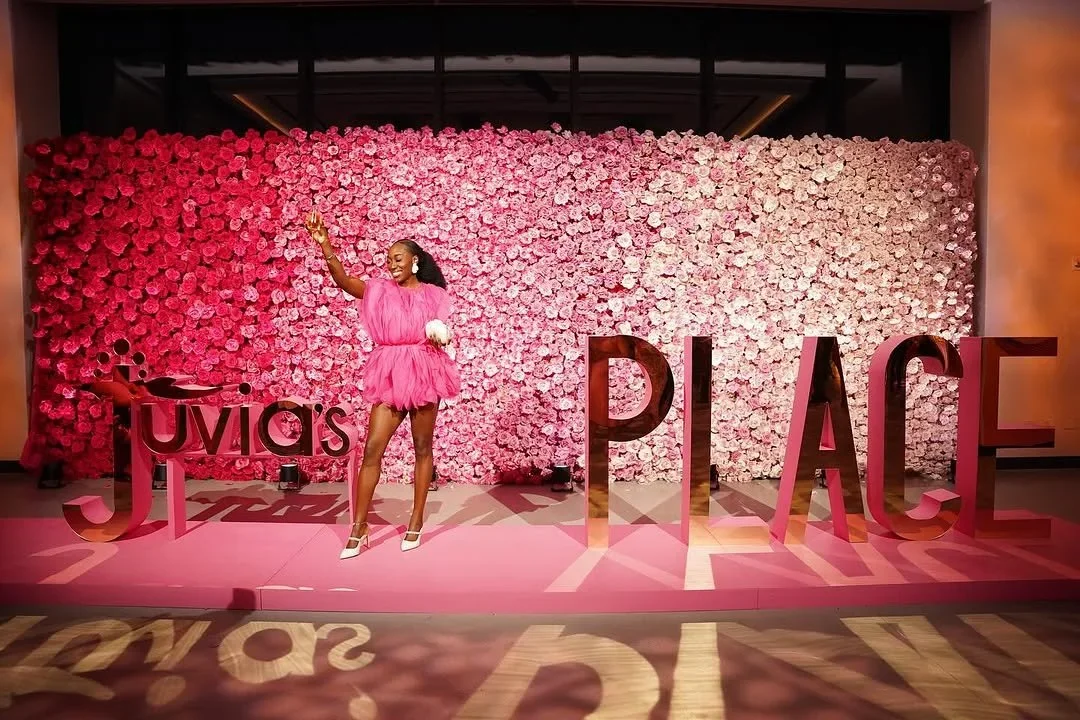
On August 24th, Juvia’s Place pulled off what no one saw coming: the party of the year in New York City. The Reign of Blushed & Bronzed Radiance wasn’t sponsored. It wasn’t co-signed by a global celebrity. It wasn’t a victory lap after a billion-dollar valuation. It was a brand, its community, and a city lit up in peach, gold, and joy.
The Black Beauty Club | Chicago Field Notes
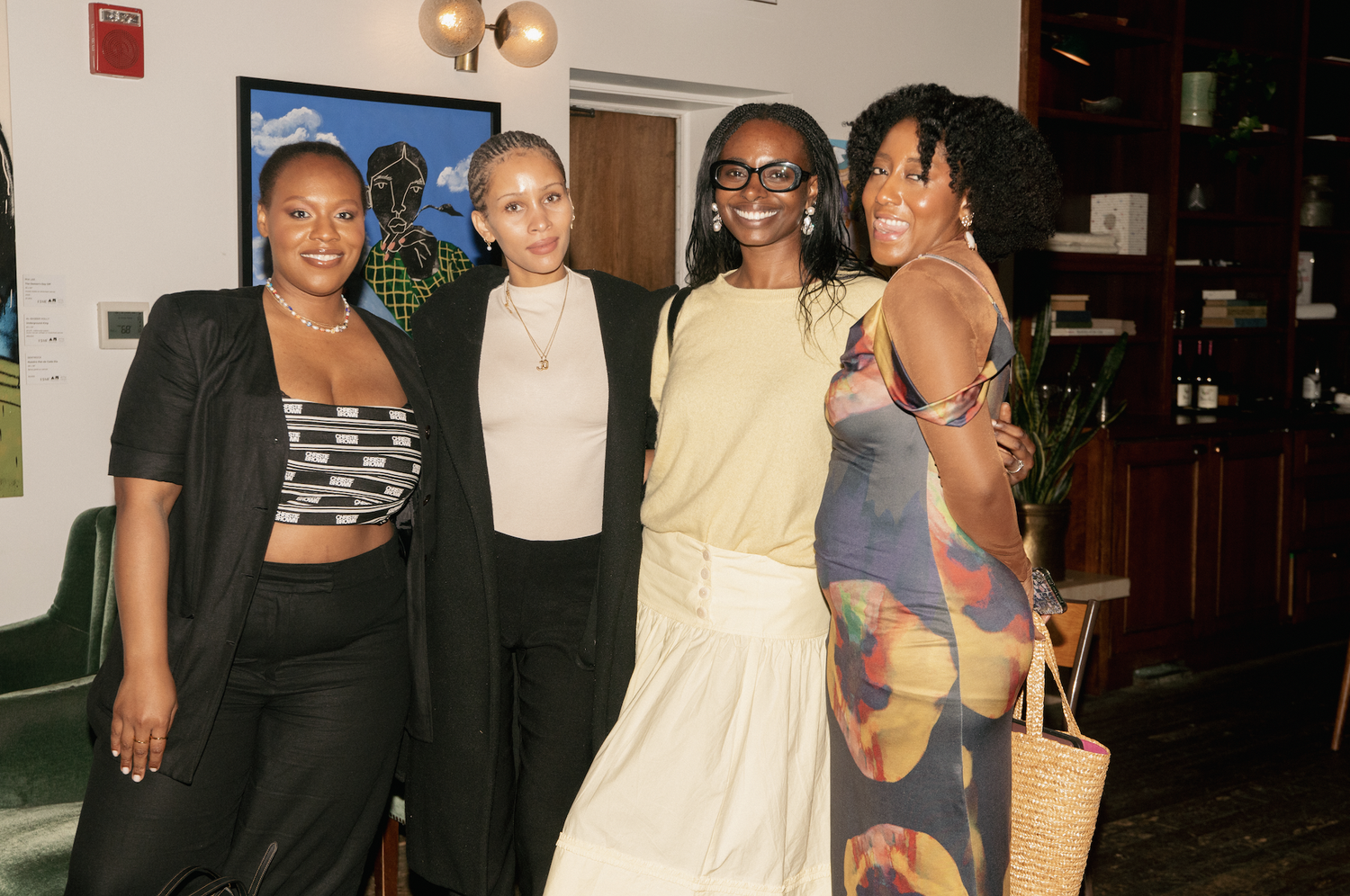
What is beauty in Chicago? This was the opening question of the night addressed to the crowd. My immediate thought was “bold & natural”. As a non-native to Chicago, having lived here for 5 years now, I’ve had more than enough time to observe. And that’s what I’ve observed about beauty in Chicago - there’s a boldness to the beauty trends and fashion of the city while still holding onto authenticity and naturalness - especially in Black people. The feedback from the crowd echoed this same answer with slight variations that emphasized trendsetting.
Who Cashes In When Beauty Moves Into Women’s Sports?
In the NBA, players are guaranteed about 50% of Basketball Related Income, which includes sponsorships. A league deal means bigger salaries for everyone. In most women’s leagues, there’s no such guarantee. A brand can sign a multi-million-dollar partnership, and none of that money is required to go to player salaries. At most, an athlete might get a small appearance fee for a photoshoot or activation.
“Denim, DNA & the Male Gaze: How American Eagle’s ‘Great Jeans’ Joke Blew Up—Then Blew It”
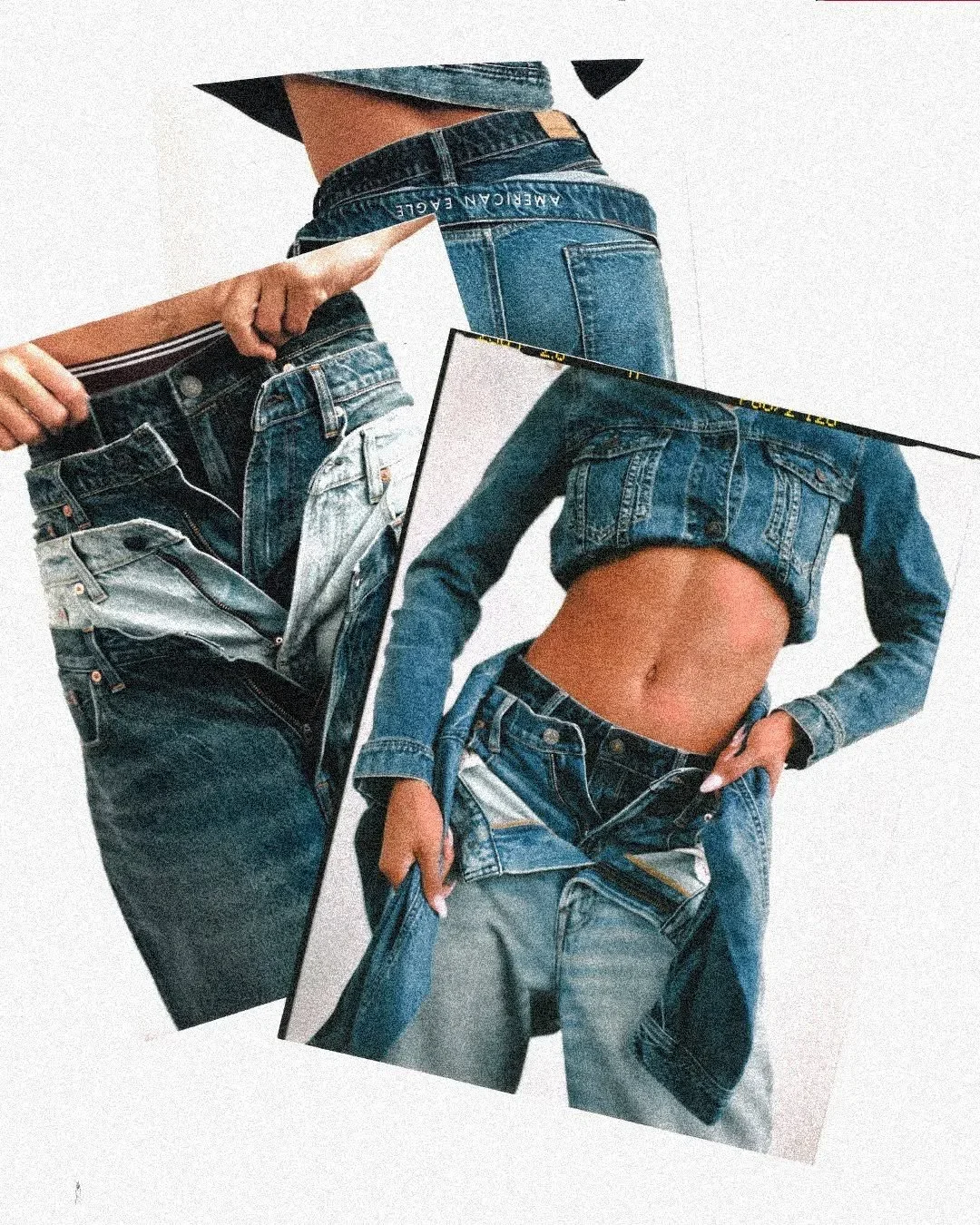
American Eagle’s Y2K-throwback gamble looked cute for about 48 hours. On July 24 the company splashed “SYDNEY SWEENEY HAS GREAT JEANS” across Times Square, the Vegas Sphere, and half of TikTok; traders promptly treated the slogan like a meme stock, sending AEO up as much as 23 percent after hours and closing the week above $12 for the first time all summer.