Innovation Is Untangling Black Hair Care’s Biggest Problem
For Black hair care, innovation means disrupting the status quo. From the silk presses of the 1990s to the resurgence of crochet styles that defined the 2010s, Black hair trends have always evolved. But while styles have shifted, the materials behind these widely loved looks have barely changed. For decades, mostly from plastic-based synthetic fibers, prized for their low cost, easy maintenance, and accessibility. Brands like Outre and X-Pression became staples in beauty supply stores, shaping what is available and normalized. All of it has come at a cost.
Recent findings point to the presence of harmful chemicals and carcinogens in many synthetic braiding hair products. So what exactly are we loyal to? Brands that knowingly poison their most devoted customers. The Black hair industry is largely owned outside the United States, leaving Black consumers facing a significant barrier to both entry and ownership.
That reality has inspired a new generation of Black entrepreneurs determined to rebuild the category one strand at a time.
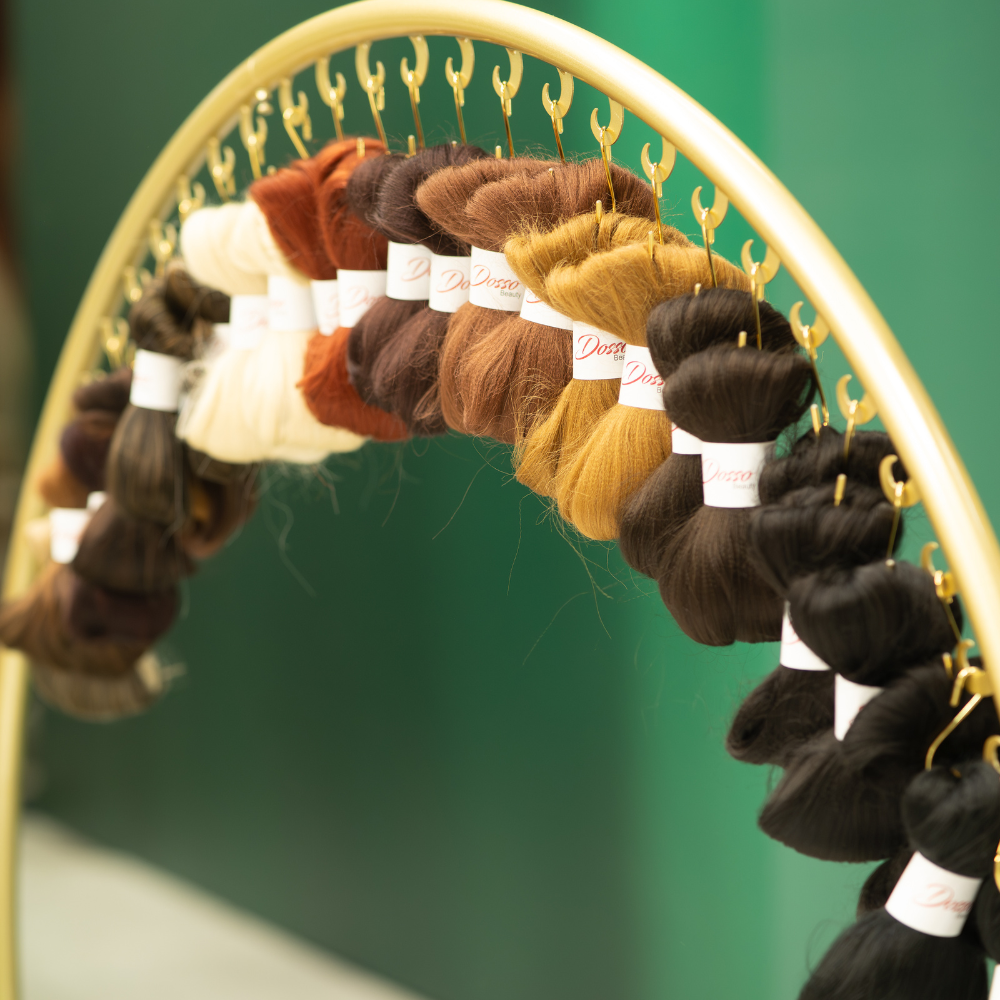
When Kadidja Dosso started Dosso Beauty in 2018, it was born from pain: a severe allergic reaction to synthetic braiding hair had left her scalp inflamed. She launched the brand to offer a safe, non-toxic alternative built on hypoallergenic hair extensions.
“The biggest qualm that I’ve always had with the beauty industry is transparency,” said Dosso. “There was a lack of transparency from manufacturers and vendors, a real ‘hush hush’ culture when you tried to ask questions.”
This new era of innovation centers accountability over aesthetics. Brands like Dosso Beauty and the consumers who choose them are no longer willing to trade convenience for safety or representation.
Today, the brand serves hundreds of thousands of customers while staying dedicated to safe, eco-friendly, and cruelty-free beauty standards.
Rebundle’s mission echoes that same gap in the market. The Black-woman–owned hair company is one of the first of its kind to offer banana-fiber, plant-based braiding hair. Its “Braid Better” product leaves out the scalp-irritating coatings common in more popular extensions.
“There were very few Black-owned braiding hair brands, very few that were focused on the health and environmental aspect of braiding hair,” said founder Ciara Imani May.
May created the company as a solution to that gap, addressing the scale of environmental waste as well: more than 30 million pounds of plastic synthetic hair entering landfills in the U.S. each year. Most of it cannot be easily recycled, locking a repeatedly used product into a single-use cycle.
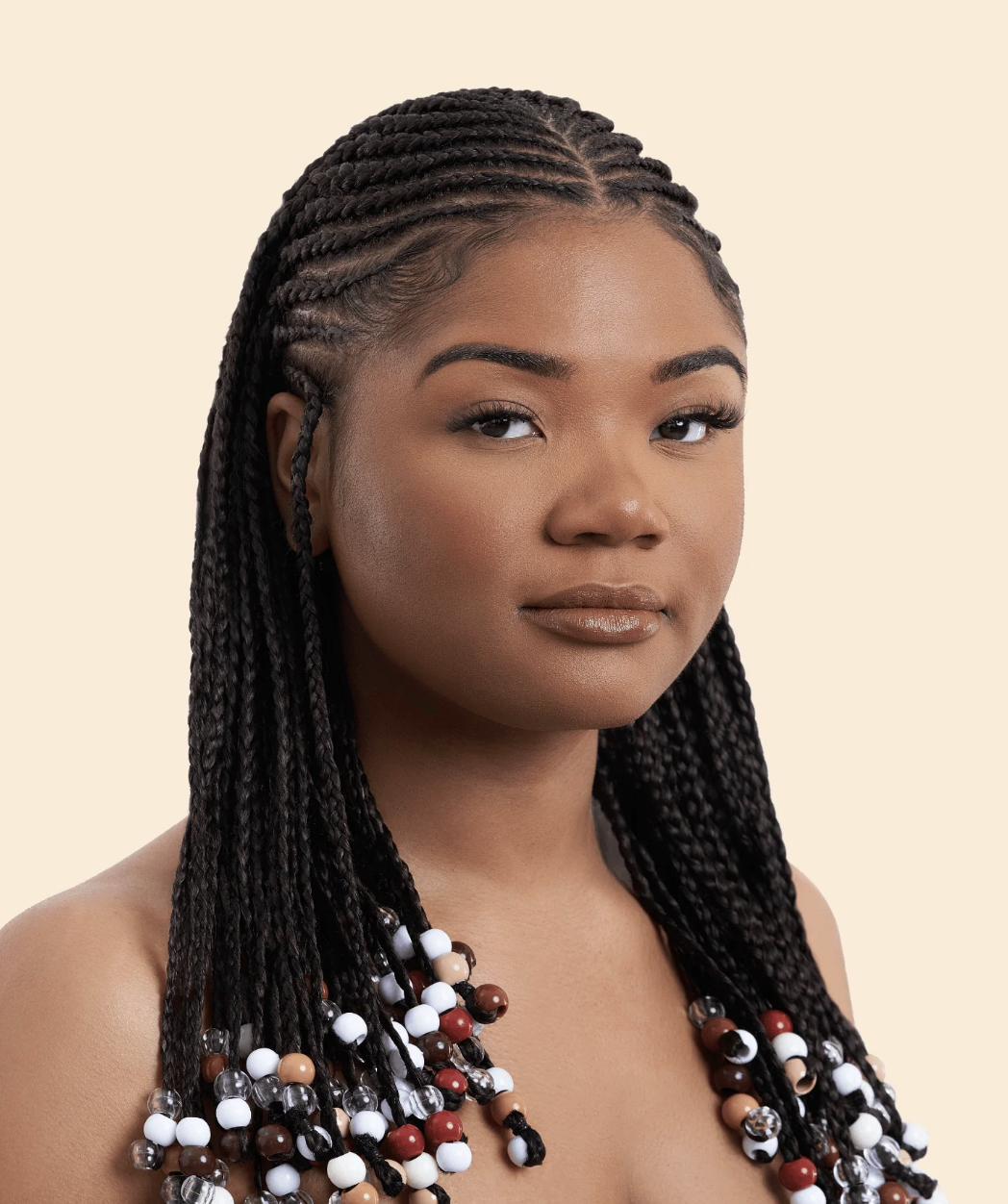
“We know as Black women, we’re getting our hair braided up to six or more times a year,” May said.
Innovation faces challenges well beyond product development. For many consumers, synthetic braiding hair is simply the norm, which makes change a hard sell even as worries about hair health grow.
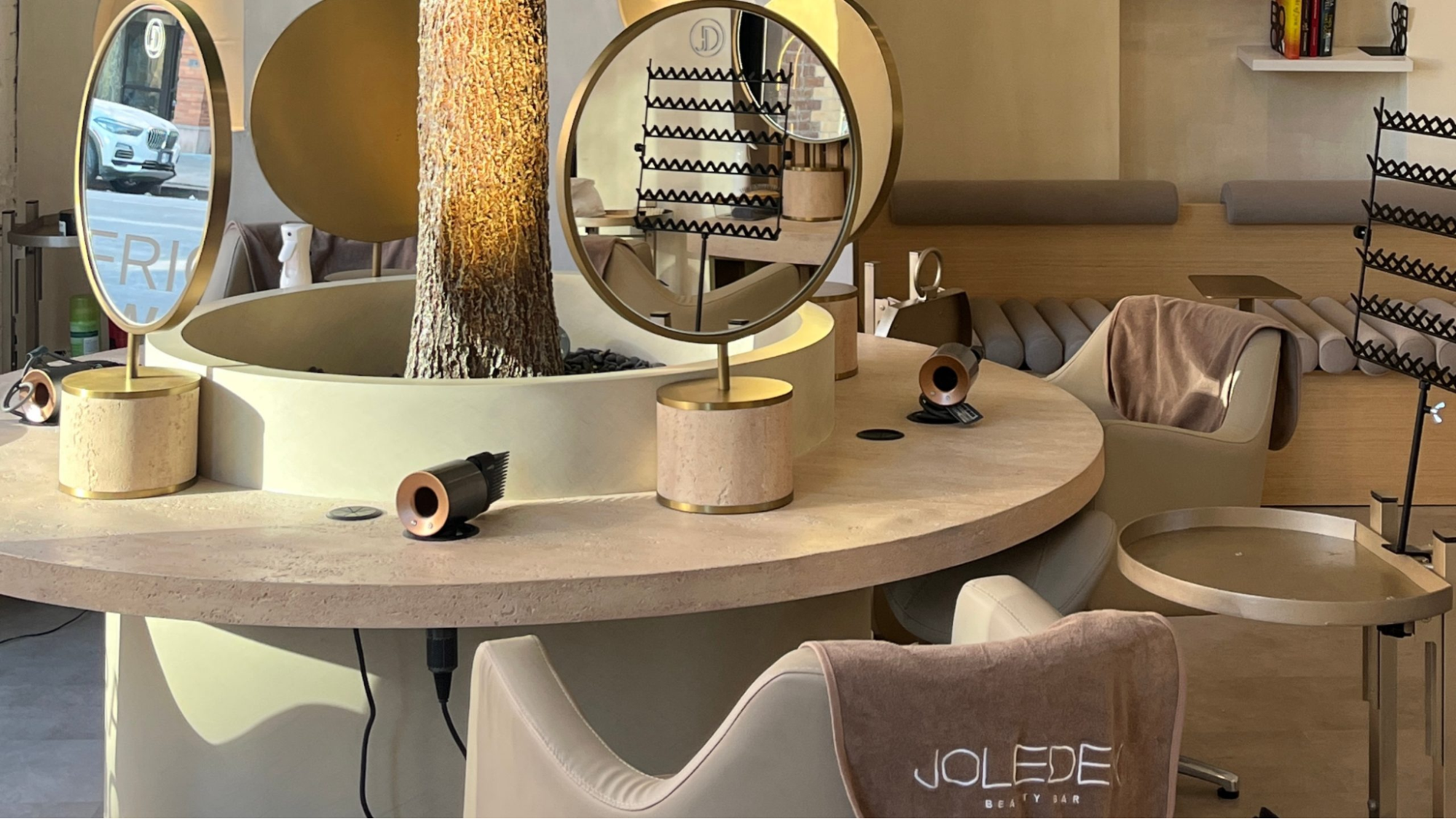
"A lot of the more mature ladies, they probably feel like, 'I've been using this hair for years, and nothing has ever happened to me,” said JolieDen’s Beauty Bar owner Diessou Kante.
Dosso has met similar resistance. “I realized it’s not just about telling consumers everything they’ve known is wrong,” she said, “it’s too much of an emotional and psychological change. But if I bring it through the braiders first, then I can move into education there, and now I’ve got them hooked.”
So the brands are investing in education, and starting with the very stylists they hope will use their products. Dosso's "Braid Bar Tour" brings healthier protective styling conversations directly to the community, creating space for more meaningful dialogue around hair care.
Kante’s salon recommends Dosso Beauty to customers with heightened sensitivities.
“With Dosso, she has gone above and beyond to make sure she does the right testing that can get us as close to the healthiest braiding hair as possible,” she said.
But Kante believes the industry has a long way to go.“We're not at the top of many people or many companies' priority list when it comes to our hair,” she said.
The numbers bear her out. According to Crunchbase, Black-founded beauty startups have seen funding decline sharply, with only $16 million raised in 2024, down from $73 million in 2022. Yet, Black shoppers spend between $9 billion and $11 billion annually on hair care, wigs, and extensions.
Dosso Beauty, Rebundle, and JolieDen’s Beauty Bar are only the beginning of a broader reinvention. As the industry catches up, one thing is clear: the future of Black hair care will be defined by what is created, who it’s created for, and who is leading the charge.
Words by: Mana Faye